
Newly Admitted Graduate Students
Congrats! You're In
Welcome, Entering Class of 2026!
Welcome to the Howard family! If you've been admitted to the Graduate School at Howard, it means you're highly qualified to become part of a long tradition of transformative graduate education at one of the nation's leading R1 universities.
This page is your complete guide to everything admitted students in the Graduate School need to do between now and the first day of class in August. Work through each step at your own pace, but keep an eye on the deadlines. This page is intended for students admitted to the Graduate School.
16 Steps to Getting Started at HU
Here's How They Work:
| Steps 1-4
Are time-sensitive and unlock everything else. Your BisonHub student services portal access, health records portal submission, and registration all depend on completing these steps promptly.
| Steps 5-15
Should be completed well before fall registration. Some steps have their own deadlines. Review the deadline to know how urgent each step is.
| Step 16
Is an invitation to explore the city of Washington, DC. We've pulled together the best resources to help you settle in once you arrive.
Your Next Steps Checklist
Everything from submitting your enrollment deposit to finding housing - your next steps checklist will help get you started on your next steps to becoming an official Bison! And don't forget to celebrate— join us for our virtual Admitted Graduate Student Day on Wednesday, April 29.
Step 1 - Confirm Your Enrollment & Pay Your Deposit
If you haven't already, log in to your Applicant Portal and complete your Enrollment Response Form to confirm your enrollment. In addition to completing the Enrollment Response Form, you must also submit the corresponding non-refundable enrollment deposit to officially hold your place in the incoming class. This step unlocks every other step on this page and activates your access to the BisonHub student services portal where you will be able to register for courses, pay your student account bill, view your grades, and more. The non-refundable deposit is applied towards your first semester's tuition payment. To activate your Howard University student account and email, you must first pay your enrollment deposit.
View Instructions (Step 1)
- You'll find instructions on how to submit your enrollment response and deposit in your admission offer email from Howard's Office of Admissions. You'll first need to log in to your applicant portal to commit to Howard. All admitted graduate students must submit the Enrollment Response Form to confirm enrollment plans and separately submit your non-refundable enrollment deposit. Note that this deposit is waived for Howard alumni (former Howard students).
- Important: Meet the deadline for enrollment confirmation. This deadline is found in your admission offer email from Howard's Office of Admissions. If you are having technical issues submitting your deposit, please reach out to let us know, and we'll connect you with Howard's Office of Admissions to assist.
- Need to defer your entrance to Howard? A student may elect to defer enrollment for up to two semesters after being admitted. Deferral requests must be submitted to Howard's Office of Admissions via email anytime between receipt of an admission offer and the enrollment deposit deadline. A non-refundable deposit will be required to hold this space.
Step 2 - Activate Your Howard Student Account & Email
After you've submitted your deposit and enrolled, you'll receive an email invitation to set up your official university email and student account (this email will be sent to the personal e-mail address you provided on your admissions application). Do not wait to activate your Howard University email — all official communication, including your financial aid notices, will come to this address. The email invitation will come from Howard University's Enterprise Technology Services (ETS) department and will include your Howard University email address and a temporary password. The email will direct you to change your temporary password and set up your Howard student email account to gain access to the BisonHub student services portal.
View Instructions (Step 2)
- Follow the instructions in the account claim email invitation you receive from ETS to set up your student account and complete your Howard password reset. If you lose access to your password, you can reset your password here.
- After you set up your student account, be sure to check your Howard email account on a regular basis. Your director of graduate study, professors, the Graduate School, and University offices will send important information to you there, including registration appointments, financial aid notices, and onboarding deadline reminders.
- If you cannot access or set up your Howard email account, please reach out to Howard's Enterprise Technology Services (ETS) department for help in setting up your account. If you are a new student, you will need to call ETS via phone for assistance.
Pro tip: Add the Outlook Mail app on your smartphone so you don't miss time-sensitive University notifications.
Step 3 - Setup Your Multi-Factor Authentication (Required)
Follow these instructions to self-enroll in Howard University's multi-factor authentication (MFA) service. You must complete this step to access your Howard Outlook Mail account and other University systems.
View Instructions (Step 3)
- After you activate your student account and complete multi-factor authentication, you can log in to the Single Sign-On AccessHU portal here, which is where you'll access your new email account via the Outlook Mail client, BisonHub student services portal, Microsoft Office Suite, Canvas, and other online services for students.
- View the BisonHub Student Quick Guide located under "Digital Essentials" on the Office of Graduate School Student Affairs Student Resource Hub webpage, which will help you navigate the BisonHub student services portal and complete any new student onboarding tasks the University may have assigned to you.
Step 4 - Locate Your Student ID & Update Your Contacts
Once you've logged into the AccessHU portal here you can access the BisonHub student services portal (click on the Bison icon located on AccessHU portal) with your single sign-on (SSO) credentials and complete any onboarding steps or action items the University may have assigned to you in BisonHub. Your student identification number will be displayed under your student profile and next to your name. Update your emergency contact information in BisonHub by July 1. This information will be used to send alerts in the event of an emergency on campus and to send alerts on student actions that need to be completed in BisonHub.
View Instructions (Step 4)
- The BisonHub Student Quick Guide located under "Digital Essentials" on the Office of Graduate School Student Affairs Student Resource Hub webpage will help you navigate BisonHub and locate your Student ID under your student profile Summary tab.
- Page 6 of the BisonHub Student Quick Guide provides step-by-step instructions on how to update your address and contact information. Please update this by July 1.
Step 5 - Activate Your Student ID Card & Upload ID Photo
The Bison One virtual/digital ID is your official identification card as a student enrolled at Howard University. It also provides access several University facilities and vendors, including various campus buildings, dining, Howard libraries, and the University shuttle service. Once you log in to the Bison One Card portal with your student credentials, you can submit your photo and activate your digital ID card and learn more about the Bison One ID. You need an active student account and email to activate your Bison One ID Card.
View Instructions (Step 5)
- To set up your virtual Student ID, log into the Bison One card portal here and click on "Student and Staff Login" using your SSO login credentials. On the left-side panel, click on "Upload Your Photo" and upload a recent photo for your Bison One ID Card and the University directory. Your ID photo must meet a set of specifications listed here. Once your photo has been approved, you can access and use your Bison One Virtual ID via the Atrium Campus Connect App.
- To access to your Bison One ID Card, you will need to download the Atrium Campus Connect App via the Google Play Store or Apple App Store. To access your virtual ID, enter your university email (example@bison.howard.edu). Next, confirm your organization: Howard University. Sign in using your Howard University SSO credentials. Go to the ‘Settings’ menu, select ‘More,’ then select the button at the top left. Select "Display Virtual ID." Your virtual ID will be visible and refreshed every 5 minutes.
Step 6 - Register for New Student Orientation (Before July)
Plan to attend both the Graduate School's New Student Orientation on Thursday, Aug. 13, 2026, 9AM-5PM and your program-specific Orientation. The Graduate School's New Student Orientation is required of all incoming Graduate School students. The Orientation offers a variety of events designed to help you feel welcomed and at ease as you begin your journey at Howard University's Graduate School. You'll have the chance to meet fellow classmates and become familiar with University resources, before classes begin on Monday, Aug. 17. International students must also attend the International Student Orientation. Registration details will be sent to your personal and Howard student email (after you activate your account).
View Instructions (Step 6)
- Be sure to keep checking your email for details on scheduled summer pre-Orientation and Orientation programs. Attending these - while not always required - significantly eases the transition and gives you a head start on building your cohort community.
- Before your arrival in August, we'll ask you to complete some pre-orientation online modules. These are required and cover academic expectations, campus systems, and community standards.
- Most programs offer a program-specific orientation which is an excellent opportunity to meet your fellow cohort members, as well as your program's faculty, and receive details about your fall course schedule. Programs typically share their orientation schedules in late summer.
Step 7 - Submit Your Final Official Transcripts (Before August)
Review your admission offer email from Howard's Office of Admissions for any outstanding final official transcripts from previously attended colleges or universities (including a final transcript showing your degree conferral date, if you are currently enrolled in a program) and submit final official electronic transcripts directly from your institution to Howard's Office of Admissions via National Clearinghouse or Parchment. Your admission offer may be rescinded if this isn't completed before you enroll in the fall. Howard University degree holders applying for Howard graduate programs do not need to submit their Howard transcripts as those particular transcripts are already on file with the University.
View Instructions (Step 7)
- If you were offered conditional admission — for example, if your bachelor's degree was still in progress at the time of your application — you must submit to Howard's Office of Admissions a final official transcript showing the conferral date for your bachelor's degree no later than the deadline their office has indicated in your admission offer email.
- Electronic copies of official transcripts can be sent directly from your institution to Howard University's Office of Admissions. Howard's Office of Admissions has indicated the following methods as ways you can submit your final electronic transcripts to the University: National Clearinghouse and Parchment.
- Graduate applicants may be offered admission on a provisional basis if certain requirements (such as the bachelor's degree) are in progress at the time of admission. These requirements must be completed prior to enrollment in the program, and failure to meet these requirements will result in the rescission of the admission offer.
Step 8 - Submit Official NACES Transcript Evaluations (Before August)
If you received your degree from (or attended) a foreign educational institution and your final foreign transcript evaluation has not been received by Howard's Office of Admissions, this would have been outlined in your admissions offer email from their office. You will need to submit any outstanding transcript evaluations from one of the following Credentials Evaluations Provided by NACES Members no later the deadline indicated in your admission offer email. If this does not apply to you, you may skip this item.
View Instructions (Step 8)
- Foreign transcript evaluations can be sent to Howard University's Office of Admissions from one of the following Credentials Evaluations Provided by NACES Members.
- A number of students use the WES evaluation service, which is transmitted directly to Howard: World Education Services: International Credential Evaluation for U.S.
- Some students use IEE: Foreign Credential Evaluations Evaluation Company & NACES Member. For the IEE service, depending on the country of your foreign educational institution, you will be able to submit your transcript directly to IEE for processing (view the IEE link above for more information).
Step 9 - Submit Your Required Health Records (By June 1)
All incoming students are required to comply with the University's health requirements policy as required by state law and institutional policy. Missing this deadline can affect your enrollment status. Our Office of Graduate School Student Affairs has created a health requirements webpage resource here that will help you understand the health documentation you are required to complete and submit to Howard University's Student Health Center via the Student Health Portal. You will need an active Howard student email account to complete this step.
View Instructions (Step 9)
- Submit your health records documentation through the Student Health Portal. You will need an active Howard student email account to complete this step. First, determine your appropriate student population group here - students enrolled in the Graduate School are considered non-health science majors.
- For students age 26 and over (non-Health Sciences students): The only documentation that you will need to complete and submit is the online Tuberculosis (TB) Screening Questionnaire. You'll need to set up your student account/email to access the Student Health Portal and complete the online TB Screening Questionnaire.
- For students under age 26: The District of Columbia requires all students under the age of 26 newly enrolled at the University to show proof of certain immunizations. Review the full list of required immunizations here. All new students under age 26 must download and review the Immunization Certificate on the Student Health Portal (under “Related Links”) as soon as possible and have your health care provider complete it. Your primary care provider can provide documentation of past vaccinations or administer any that are missing. International students should review additional health requirements related to visa status, including tuberculosis (TB) screening.
- If required, we recommend that you begin gathering the immunization documentation for the requirements noted on the website here under the header "Required Vaccinations," so that when you complete your student/email account setup, your documentation will be ready to submit.
- All new students without a complete medical record on file may have a registration hold placed on their account and be unable to register for courses until all medical requirements are satisfied.
Step 10 - Review Your Financial Aid & Funding Options (Time-Sensitive)
Understand your full funding picture (there may be options you haven't explored yet) and ensure any applicable financial aid documents are submitted to Howard. If you are seeking a federal loan file your 2026–27 Free Application for Federal Student Aid (FAFSA®) form here (Howard's Federal School Code: 001448). When completing your FAFSA, use the IRS Data Retrieval Tool if possible.
View Instructions (Step 10)
- Program funding decisions—including fellowships and assistantships—are made by the academic department and communicated separately. Contact your program's Director of Graduate Study here to discuss what resources may be available to you. Note that funding decisions are made on a rolling basis.
- Have questions about federal aid and loan options? Howard's Office of Financial Aid webpage is a great place to start exploring financing options including tuition payment plans and detailed information on applying for financial aid as a graduate student. Private loan options can be explored here.
- Howard University provides semester-based tuition payment plans allowing students to pay the balance due in manageable monthly installments. You can view that information on the Student Accounts webpage. You can also view your 2026-2027 Estimated Cost of Attendance under "Traditional Graduate Programs (Off-Campus)" and for Online Applied Data Science students you can view your Estimated Cost of Attendance under "Graduate Data Analytics Program (Online)."
Pro tip: The FAFSA is year-specific, so you will need to complete it for each new academic year you are enrolled at Howard. You will not be considered an enrolled Howard student for financial aid purposes until you have paid your enrollment deposit.
International Students: Submit Statement of Financial Resources By July
All international students requiring a visa must submit a SOFR (Statement of Financial Resources) document located on the Office of International Student Services webpage here to proceed with the issuance of your I-20. Please follow the guidelines for new students here to ensure the timely issuance of your I-20. If you need assistance completing the Statement of Financial Resources, please do not hesitate to reach out to the Office of International Student Services here. International students should retain a PDF copy of their offer of admission email from Howard's Office of Admissions, as it will be required for the issuance of the I-20. If this does not apply to you, you may skip this item.
Step 11 - Explore Off-Campus Graduate Housing Options (Before August)
Graduate students commonly live off-campus in the vibrant neighborhoods surrounding the main campus and elsewhere in D.C., Maryland, and Virginia, including Columbia Heights, Capitol Hill, Petworth, and Silver Spring (MD). August move-in is competitive across the region, so start your search early. For students interested in off-campus housing, our Office of Graduate School Student Affairs Graduate Housing webpage is an excellent resource to begin your housing search. Once you've secured housing, the University encourages you to update your off-campus address in BisonHub.
View Instructions (Step 11)
- Housing search: Students can search for off-campus housing and find roommates by registering and creating a profile on Howard University's Office of Off-Campus Housing webpage. The website provides a comprehensive list of off-campus housing options, including furnished homes and apartments. The website does not screen properties or landlords, so it is essential to inquire directly. Prospective tenants are encouraged to exercise their own judgment when evaluating rental units.
- Howard-affiliated properties: The University also offers a range of graduate housing options to accommodate students' needs. The University has partnered with Rock Creek Property Group to bring students The Oliver, which offers unique living opportunities for our graduate and professional students. Click the following link for more information: The Oliver Apartments.
- Moving from out of town? Our Office of Graduate Student Affairs has a DC transition guide with tips on neighborhoods, transportation, and settling into the city. See below for more on exploring DC.
Step 12 - Research Parking & Transportation Options (Before August)
Many students opt for public transportation and Washington Metropolitan Area Transit Authority (WMATA) offers a safe, convenient, and affordable way for students to travel throughout the D.C. metropolitan area. Visit the WMATA Transit webpage for more information about bus and light rail transportation. If you must drive, the University offers parking services and permit options for students. Click on "View Instructions" below for more details about parking permits. Note that Howard University is close to Shaw-Howard U Metro Station (Green Line).
View Instructions (Step 12)
- There are parking lots on-campus that provide parking options for students. On-campus permits are available on a first-come, first-served basis. Paid garages fill quickly.
- Permit costs: The annual student parking permit costs $680, which covers both the Fall and Spring semesters and is billed to participating students' tuition bills. To view campus parking options and rates and to request a permit, visit the Howard Campus Parking webpage. Parking permits must be renewed each year.
- Shuttle services: The Office of Parking & Transportation Services (OPTS) at Howard offers a shuttle service between that offers students a convenient and inexpensive way to get to class, study sessions and other events across campus. All riders must show their student ID. Learn more about the shuttle service here.
If you decide to live in the District, most neighborhoods require a residential parking sticker or permit. For more information on how to obtain a residential parking permit in DC, visit the DC Bureau of Motor Vehicles (DMV) webpage.
Step 13 - Connect with Your Director of Graduate Study & Register for Courses
Your Director of Graduate Study (DGS) is assigned to your specific program and knows its requirements inside out. Your DGS helps you build your plan of study, navigate degree requirements, and register for the right courses. They also provide guidance on program policies to ensure your success. Schedule your initial advising appointment as soon as your account is active. Your first outreach to your DGS should happen before you register for any courses.
View Instructions (Step 13)
- Course advisement: Most advising appointments with Directors of Graduate Study will occur during your program's orientation, where your DGS will share information about when you're permitted to begin registration for any required first-semester courses. Review the University's 2026-2027 Academic Calendar, before the start of fall classes on August 17 and connect with your Director of Graduate Study here regarding your program’s official orientation details.
- Course registration: After receiving course advisement, when you are ready to register for your courses, navigate to Page 4 of the BisonHub Student Quick Guide which provides step-by-step instructions on how to register for your courses each semester via BisonHub.
- If you were "conditionally" admitted, this standing means that continued enrollment in the program is contingent upon meeting additional requirements specified by the academic department. You should be in contact with your Director of Graduate Study if you have questions regarding the conditions of your admission or the timeframe by which you are required to meet these conditions. You may also ask about transfer credits from prior graduate coursework.
Step 14 - Waiver of Student Health Plan (Alternate Coverage)
All registered graduate students are automatically enrolled in the University's Student Health Insurance Plan. Students covered by another health insurance plan must complete the Health Plan Waiver Process by the fall waiver deadline (typically in September). Failure to complete the waiver process by the fall waiver deadline will result in a health insurance charge being placed on your student account. The waiver form and rates for the University-sponsored plan will be shared via email when it is available. Students must be registered in courses to be able to waive the plan.
View Instructions (Step 14)
- Registered graduate students must have adequate medical insurance coverage and provide Howard with verifiable proof of coverage. Students must WAIVE the student health insurance if they are covered by another health insurance plan to avoid getting automatically billed.
- If you do not provide proof of alternate insurance coverage via the health insurance waiver process, you will be automatically enrolled in the University’s plan, and your student account will be billed for the cost of the insurance. The University’s Student Health Insurance Plan is provided through UnitedHealthcare.
Step 15 - Request Accommodations with OSA (Before August)
You can request accommodations through the Office of Student Accessibility (OSA) by completing a request for reasonable accommodations and providing appropriate supporting documentation. For information about academic, housing or dining accommodations, in addition to documentation requirements, visit the Office of Student Accessibility. Accommodation requests for the 2026-27 academic year will be reviewed closer to the start of the semester. If this does not apply to you, you may skip this item.
Step 16 - Discover Washington, DC
Howard University truly enjoys a location like no other! Studying in Washington DC is a learning experience. The city is a living classroom — one of the most intellectually rich, professionally connected, and culturally diverse cities in the world. You'll have the unparalleled advantage of studying, working, living in the nation's capital, and accessing all DC has to offer. Here's how to discover the city (click below to learn more):

Living & Learning in Washington, D.C.
Our location in the global capital city of Washington, D.C., places our students at the center of policymaking and the most salient and timely dialogues in every field of study. Consistently named one of the best cities in the U.S. for young professionals, the D.C. area offers unmatched networking opportunities and access to a robust entrepreneurial community, federal agencies, think tanks, professional associations, and the nation's top employers. Howard's campus is a global convener of diplomats, Capitol Hill policymakers, award-winning authors, and business executives who spend time on our campus as guest lecturers. You can check out the Library of Congress or walk through the Smithsonian's National Museum of African American History & Culture or one of the many nearby museums. The city's attractive mix of global diversity, vibrant cultural and arts scene, family-friendly recreation, and wealth of enrichment opportunities make it an ideal place to pursue your graduate studies.
Your DC Guide
Getting Around DC
The DC Metro (WMATA) system connects you to the entire region. Most students use a SmarTrip card, which offers discounts and works across Metro, bus, and some regional rail:
- DC Metro (WMATA) — most reliable transit option
- Capital Bikeshare — for short trips and exploring neighborhoods
- Ride-share (Uber/Lyft) — widely available and often cheaper than other cities
Many students commute by Metro from MD/VA as well
Transit Resources:
Free Museums & Cultural Sites
All Smithsonian museums are free and world-class. Make these a regular part of your life in DC:
National Museum of Natural History
National Air & Space Museum
National Museum of American History
National Portrait Gallery & American Art Museum
National Zoo — including the recently returned giant pandas
National Archives — view the Declaration of Independence and Constitution
Neighborhoods to Know
DC's neighborhoods each have a distinct personality. Explore DC's distinctive neighborhoods.
Capitol Hill — close to government, historic row houses
Columbia Heights — vibrant, diverse, great food scene
Dupont Circle — bookstores, cafes, walkable
Georgetown — historic waterfront, weekend market
H Street Corridor — bars, arts, live music
Silver Spring (MD) — popular grad student area, Metro-accessible
Professional Opportunities
DC offers unparalleled access to internships, research positions, and networking in policy, government, NGOs, international affairs, and more:
Congressional offices and federal agencies
Think tanks: Brookings, Urban Institute, RAND, Pew Research
International organizations: World Bank, IMF, OAS
National public health agencies (NIH, CDC DC offices)
Major law firms and consulting firms
DC hosts the highest concentration of nonprofits per capita in the US
Parks, Trails & the Great Outdoors
DC has more green space per capita than nearly any major US city. Get outside:
The National Mall — 2 miles of open green space and monuments
Rock Creek Park — 1,700 acres of urban forest and trails
Tidal Basin — especially stunning during cherry blossom season (April)
Theodore Roosevelt Island — car-free nature preserve
Capital Crescent Trail — popular running/biking route into Maryland
Food, Coffee & Student Life
DC is one of America's global food cities. Explore DC's finest cuisine.
Eastern Market (Capitol Hill) — weekend farmers market and artisan vendors
Union Market — food hall with local vendors and pop-ups
The Wharf — waterfront dining and events on the Southwest waterfront
Many graduate students find regular coffee shops to work from — ask your cohort for their favorites by neighborhood
DC Restaurant Week (January & August) — great way to explore high-end spots affordably
Top 3 Reasons Students Choose the Graduate School
Students like you, across over 40 Howard doctoral, master’s, certificate, and M.D./Ph.D. degrees and over 100 specializations, turn their graduate education and research passions into a relentless pursuit of ideas to solve some of the globe’s toughest challenges and make an impact on the world. Our institutional motto, Veritas et Utilitas (Truth and Service), is woven throughout our research, and our faculty and students are driven by a deep-rooted sense of purpose and inquiry. Here are top reasons why students choose Howard for their graduate studies:
1. Breadth of Academic Programs
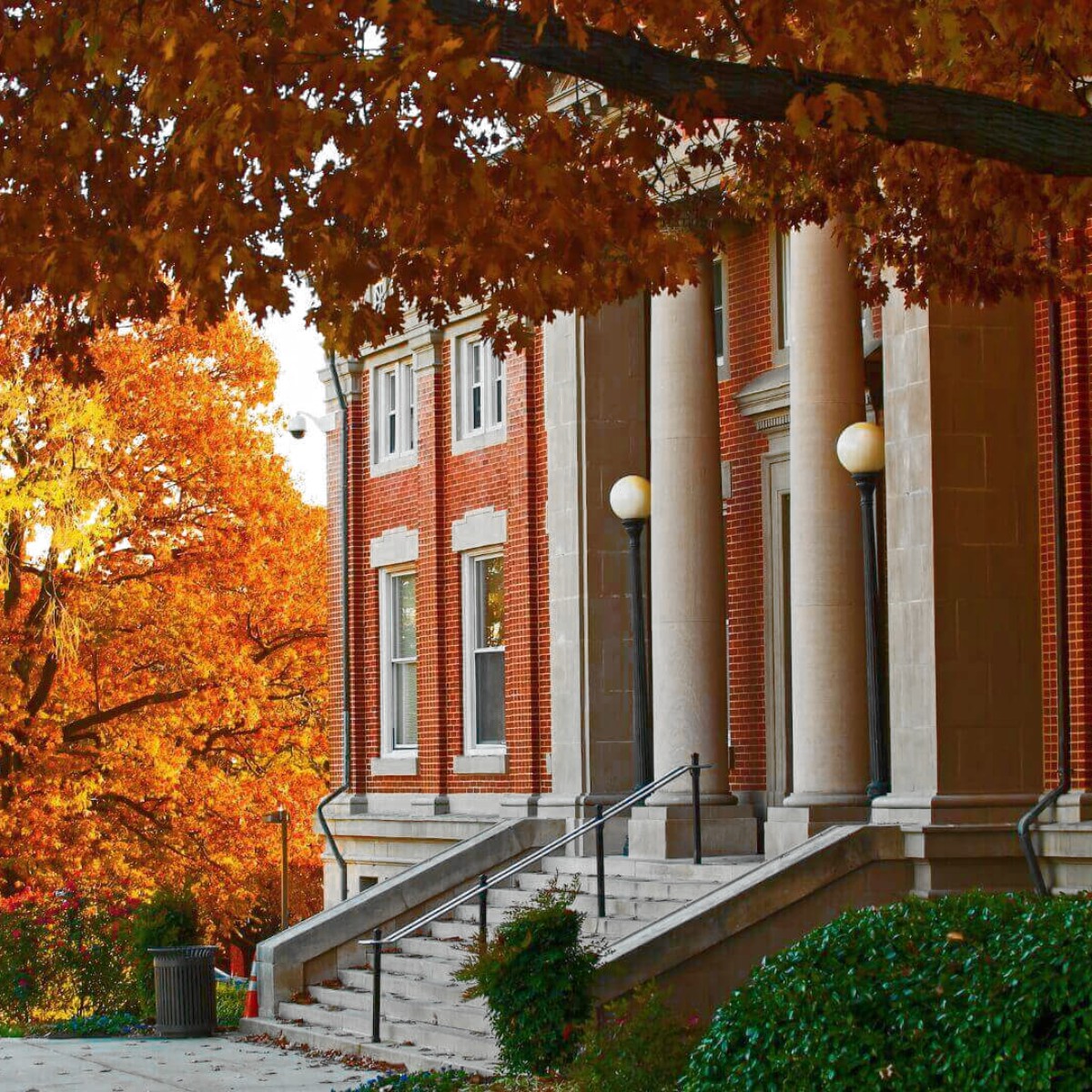
Consistently ranked among the best, the Howard University Graduate School has earned national recognition for the quality of its graduate programs, a number of which are ranked in the top 20 in the country by U.S. News & World Report, such as graduate programs in African American History, African American Literature, and Social Work. Howard has been a global leader in innovation for more than a century, with its high-quality graduate programs, internationally recognized faculty, and commitment to impactful research. In fact, 98% of incoming students cite the outstanding reputation of their graduate program as important in their decision to enroll at Howard, and our academic offerings are constantly evolving to meet global workforce needs. At Howard’s Graduate School, you can choose from over 40 degrees and over 100 specializations that deeply immerse you in your chosen discipline, while encouraging you to synthesize knowledge across diverse fields of study.

2. Globally Diverse & Inclusive Community
The global diversity of our Graduate School community is evident the moment you set foot on campus and widely reflects the globe’s community of scholars. Graduate students enroll at Howard each year from over 50 countries and represent nearly every continent of the world and state across the U.S. We respect the profound ways this rich blend of cultures, customs, and languages enriches our teaching and scholarship. Apart from the breakthroughs in STEM they help to discover, the impact they make in communities, or the work they do to advance research within their respective fields, our students are making a name for themselves; they are National Science Foundation Graduate Research Fellows, Ford Foundation Fellows, Fulbright Scholars, industry executives, and company founders. We are committed to fostering a supportive and inclusive educational environment for all members of our university community and educating a generation of globally-connected leaders.
3. Leading Edge Research Opportunities
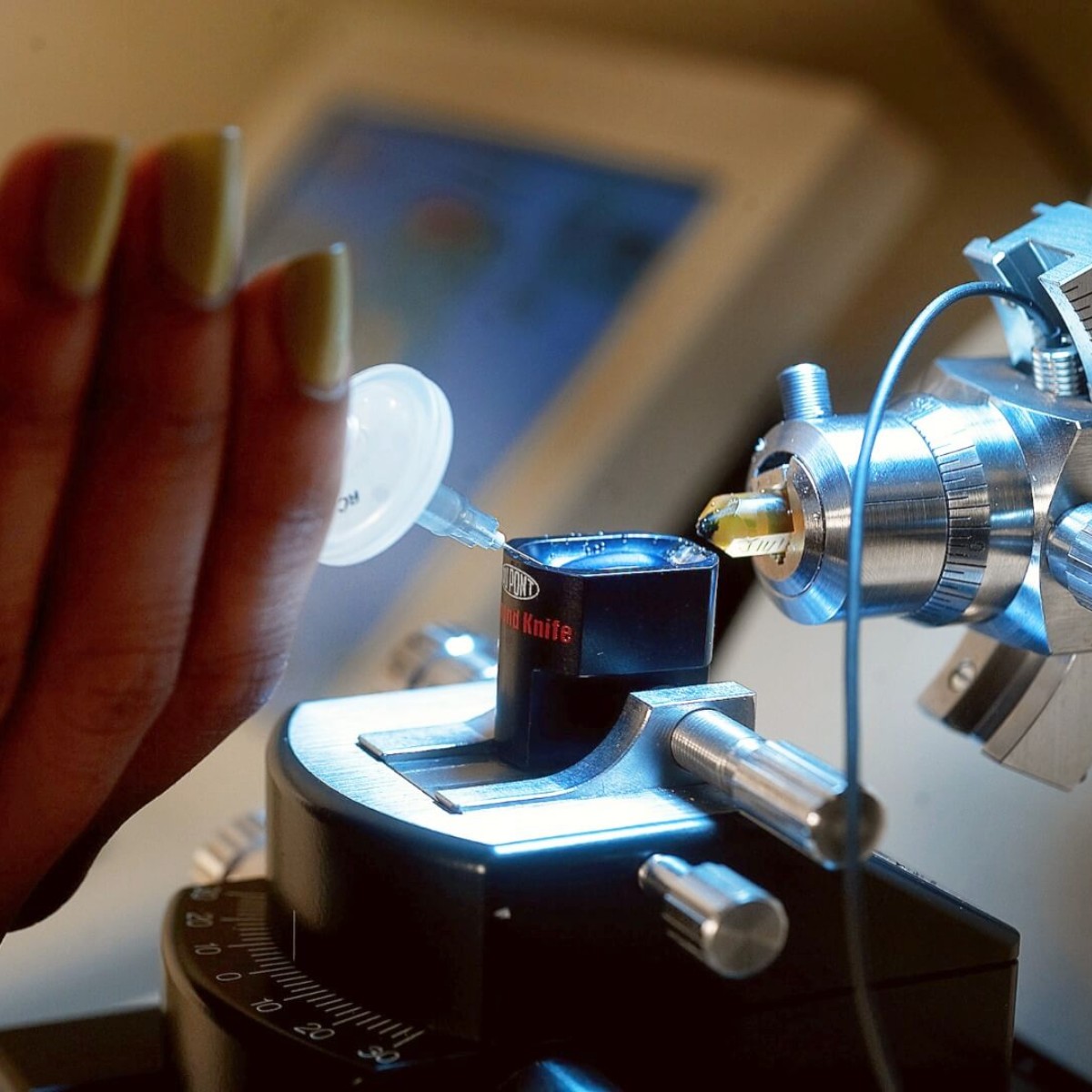
As a leading private research university, Howard is at the forefront of research, innovation, and global thought leadership. The University has a distinctive legacy of research excellence across its programs, centers, and research facilities. You can participate in National Endowment for the Humanities (NEH), National Institutes of Health (NIH), and National Science Foundation (NSF) funded research focused on tackling issues at the state, national, and global levels–from developing novel pathways for disease prevention and treatment and securing our national cyber systems to building models for climate resilience. Extensive investments in research, like the recently announced multi-million dollar funded Center for Applied Data Science and Analytics, provide unparalleled research opportunities for our students. Our research impact is wide, informing public policy, promoting environmental stewardship, strengthening democratic institutions, and powering economic growth.
Resources for First-Year Graduate Students
We chose you because we know that you are up for the challenge. We know that you will be a leader in your field, that you will contribute to research that has an impact, and that you will take advantage of opportunities to grow and to be challenged in unique and inspiring ways. Whether you choose to live on campus or commute, Howard will become your home away from home. Know that you come to a place where people are already invested in your success. You will become part of a tight-knit community as you study, work and socialize with fellow students, faculty, staff, and alumni, forming lifelong bonds and friendships.

Holistic Support for Graduate Students
The Graduate School's extensive professional development programming and workshops help our graduate students develop the transferable skills they need to succeed in their programs and careers. Our Graduate Student Life programming addresses student well-being through parental support and wellness initiatives like our Week of Wellness and events that help you build connections across the campus community. Our family-friendly policies make our graduate experience attainable for all enrolled students. Our Office of the Chapel Dean nurtures fellowship across diverse faith traditions. The Graduate School also hosts workshops that provide pedagogically-rich instructional and research support to graduate teaching and research assistants. To further prepare students for academic positions at research universities and colleges, we offer a Certificate in College Faculty Preparation. There are several Support Services available to our graduate students.

A Supportive Alumni Network
As a graduate of Howard, you have the strength of the Bison network behind you. The Howard University Graduate Alumni Network offers several opportunities to enhance your community, research, and professional network opportunities. Alums of our master’s and doctoral programs include founders of startup ventures and social impact initiatives, senior-level policy consultants, research fellows and experts, business CEOS, health sector executives and consultants, higher education executives, and faculty at universities and colleges across the U.S. You can connect with them at professional and networking events offered through the Graduate School or our various academic departments. We regularly invite our graduate alums back to campus to meet with current graduate students and provide their advice and mentorship. Our graduate alums periodically seek ways to give back to the student experience. So you'll have access to graduate alums interested in your professional and personal success.
Graduate Student Leadership

Get Involved
Gain leadership experience, influence university policy, leave your mark, and stay connected to the graduate and professional student community at Howard. Whether you join a student organization, a student affinity group, or volunteer as a graduate student ambassador, the more you participate, the more you'll get out of your time here. All Howard Graduate School students are automatically members of our Graduate School Student Council (GSC), the student governance body for the Graduate School. The GSC also serves as a voice for graduate students and holds student body meetings and hosts social and networking events throughout the year that allow you to get to know your fellow graduate students. Each graduate department may have student-led governance organizations you can join as well. Hear from our GSC during Orientation!
Learn more about HU graduate leadership opportunities